
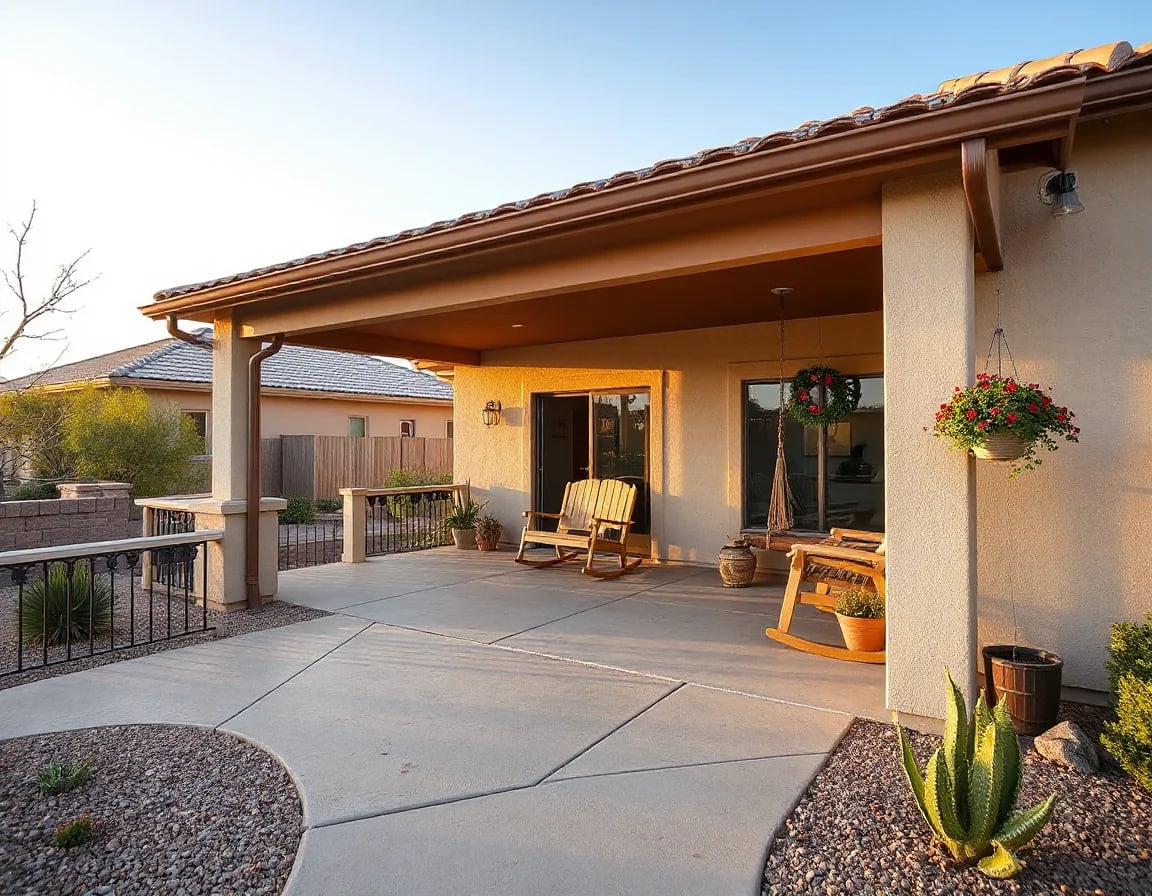
Selling in the West Valley during hotter months takes more than turning down the thermostat and hoping for the best. The strongest results usually come from a handful of practical moves that protect showing comfort, improve listing photos, and help buyers focus on the home itself. If you are planning to sell in Phoenix’s western communities, these five strategies can help your property stand out when desert temperatures are at their peak.
Start With Timing That Works for the Season
In the West Valley, summer selling is less about avoiding the market and more about adapting to it. Buyers are still active, relocation timelines still move forward, and listings still close, but heat changes how people experience a property. That means sellers who build their plan around seasonal realities often create a smoother path from listing day to contract.
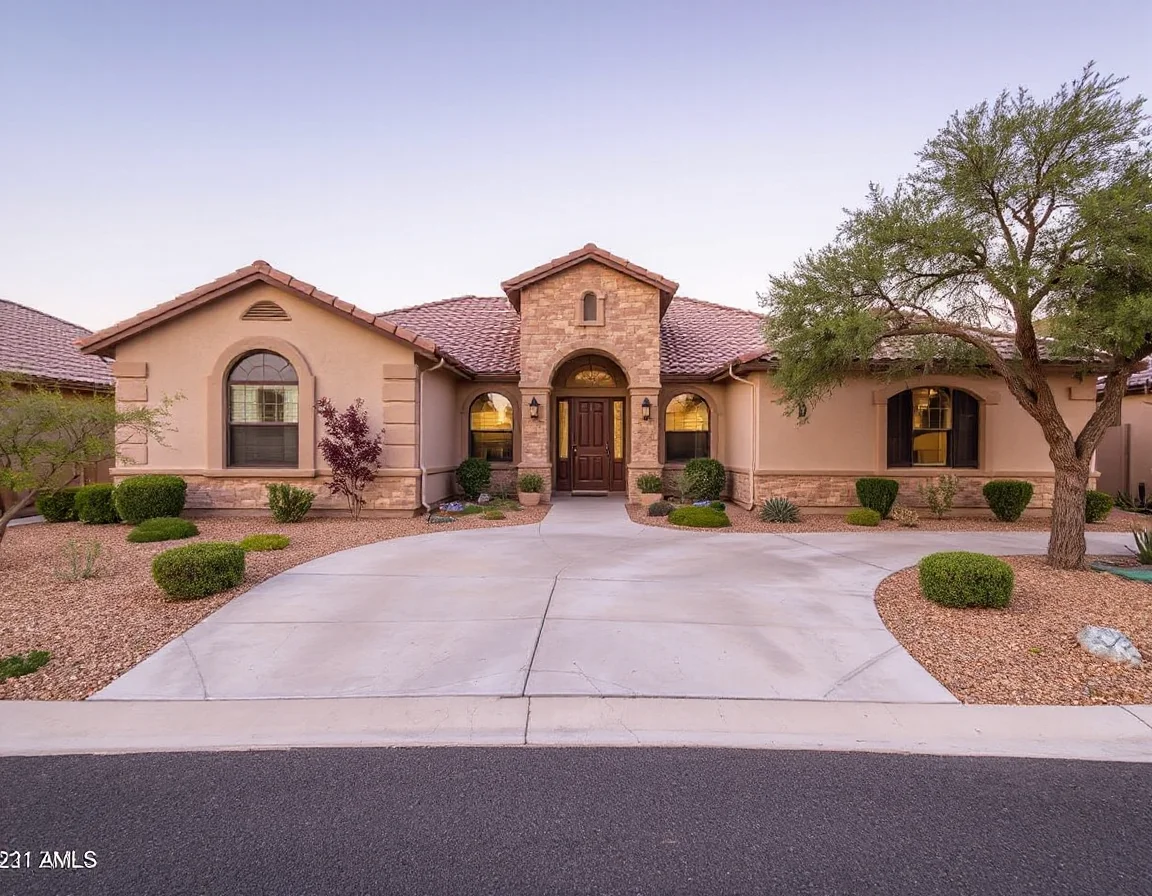
The first move is simple: choose showing and photo times carefully. Midday sun in Arizona can flatten curb appeal, wash out exterior colors, and make a front approach feel more intense than welcoming. Early morning and late afternoon usually offer softer light, cooler walk-through conditions, and a better first impression online. The same principle applies to open houses and private tours. When visitors arrive comfortable, they tend to spend more time noticing layout, finishes, and storage instead of rushing back to the car.
It also helps to think about the listing launch itself. If a home is nearly ready, waiting a short time to coordinate cleaning, photography, and small repairs can be more effective than going live too quickly with avoidable distractions. In a market where attention spans are short, a well-timed debut can produce stronger early interest than a rushed one.
In desert markets, the difference between a 10 a.m. showing and a 5 p.m. showing can be dramatic. Comfort influences pacing, and pacing influences how thoroughly buyers absorb what your home offers.
Make Cooling Performance Part of the Presentation
The second move is to treat indoor comfort as a visible asset. In the West Valley, buyers notice whether a house feels consistently cool within moments of walking in. A home that maintains comfortable temperatures without strain communicates care, maintenance, and readiness. Before listing, many sellers benefit from servicing the HVAC system, replacing filters, checking vents, and making sure thermostats function properly.
Just as important, avoid creating doubt. If one room feels noticeably warmer than the rest, or if blinds are open in every sun-facing room during the hottest part of the day, the showing experience can shift in the wrong direction. Ceiling fans, closed window coverings where appropriate, and balanced interior temperatures can make the home feel more polished without major spending.
The goal is not to oversell utility performance or make claims you cannot verify. Instead, present the property at its best: cool, fresh, and easy to move through. Buyers touring several homes in one afternoon will remember the one where they felt comfortable enough to slow down and imagine how the rooms connect.
Refresh Exterior Areas Without Overcomplicating Them
Curb appeal matters year-round, but summer in Arizona rewards simplicity. The third move is to tidy outdoor spaces so they look intentional, durable, and low-maintenance. Desert-friendly landscaping can photograph beautifully when rock beds are raked, planters are clean, pathways are edged, and any visible irrigation issues are addressed. A faded doormat, dusty entry light, or neglected side yard may seem minor, yet those details can suggest deferred upkeep.
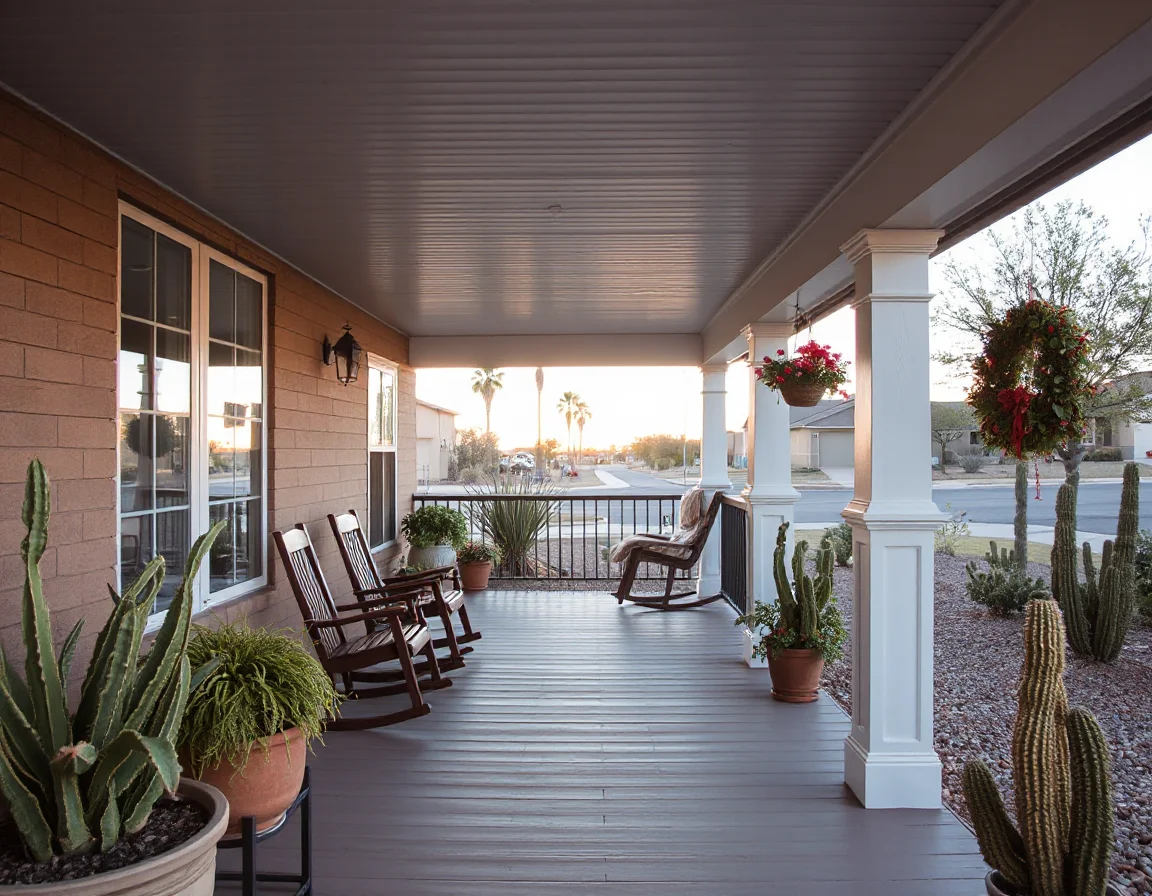
Focus especially on shade and transition spaces. If the front entry includes a covered porch, sitting area, or protected walkway, highlight it. If the backyard has a patio, ramada, or another structure that makes outdoor time more usable, stage it so the purpose is obvious. In warm-weather markets, buyers often look closely at how a property handles sun exposure throughout the day.
Pool areas also deserve careful attention when relevant. Clean water, neat decking, organized equipment zones, and uncluttered seating areas can make an outdoor setting feel like an extension of the living space. Even homes without pools benefit from showing off shaded corners, low-maintenance yards, and surfaces that look easy to care for.
This is also where restraint pays off. Instead of adding too many decorative items, concentrate on a few crisp visual signals: swept concrete, healthy plants, clean windows, and an entry that feels orderly. That approach tends to read better in listing photos and in person.
Control Light, Glare, and Interior Visual Temperature
The fourth move is one many sellers overlook: reduce visual heat inside the home. Desert sunlight can be beautiful, but too much of it at once can create glare, hot spots in photos, and a harsher mood indoors. The best presentation usually balances natural light with comfort. Sheer window treatments, partially adjusted blinds, and warm-neutral staging tones can soften the effect while still keeping the house bright.
Think about the rooms that receive the strongest afternoon exposure. A simple rearrangement of furniture, removal of heavy seasonal décor, or replacement of dark accent pieces can make those spaces feel calmer and more spacious. Fresh white towels in bathrooms, crisp bedding, and uncluttered countertops also help visually cool the home. These choices do not change square footage, but they can change how open and restful a room feels during a tour.
Summer buyers often respond well to homes that feel visually quiet: less glare, fewer heavy accents, and cleaner sightlines from room to room.
Photography should reflect the same mindset. Images that preserve detail in both bright windows and interior surfaces tend to perform better online than photos dominated by harsh sunlight. A seller does not need a luxury remodel to compete; thoughtful presentation and balanced lighting can do a surprising amount of work.
Use Maintenance Signals to Build Buyer Confidence
The fifth move is to make practical upkeep easy to see. In the West Valley, many buyers pay close attention to systems and materials that work hard in the climate: roof condition, windows, seals, cooling equipment, exterior paint, and irrigation. Even when a property is beautifully styled, small maintenance gaps can pull attention away from its best features.
That does not mean every seller needs a major pre-listing project list. It means prioritizing the repairs and service items that reduce uncertainty. Re-caulking where needed, touching up sun-exposed trim, replacing burnt-out bulbs, addressing minor leaks, and organizing utility areas can all strengthen the overall impression. Documentation can help too. If recent servicing or updates have been completed, being ready to share that information can support smoother conversations once interest builds.
Another smart step is to evaluate the home as a first-time visitor would. Walk the route from curb to entry, from living room to kitchen, and from main living spaces to outdoor areas. Ask where heat, glare, odor, or maintenance cues interrupt the flow. Then fix what is reasonable before launch. Often, the best seller moves are not flashy. They simply remove friction.
A Cooler Selling Strategy Can Create a Stronger First Impression
Desert heat does not have to work against your sale. With smart timing, reliable cooling, clean outdoor presentation, balanced light, and visible maintenance, a West Valley home can feel composed and market-ready even in the hottest stretch of the year. Sellers who focus on buyer experience often give their listing an edge where it matters most: the first few minutes online and the first few steps through the door.
If you are preparing to sell, the strongest plan is usually a local one. Every property, neighborhood, and price point responds a little differently, but these five moves create a solid foundation for standing out in the Arizona market without overcomplicating the process.