
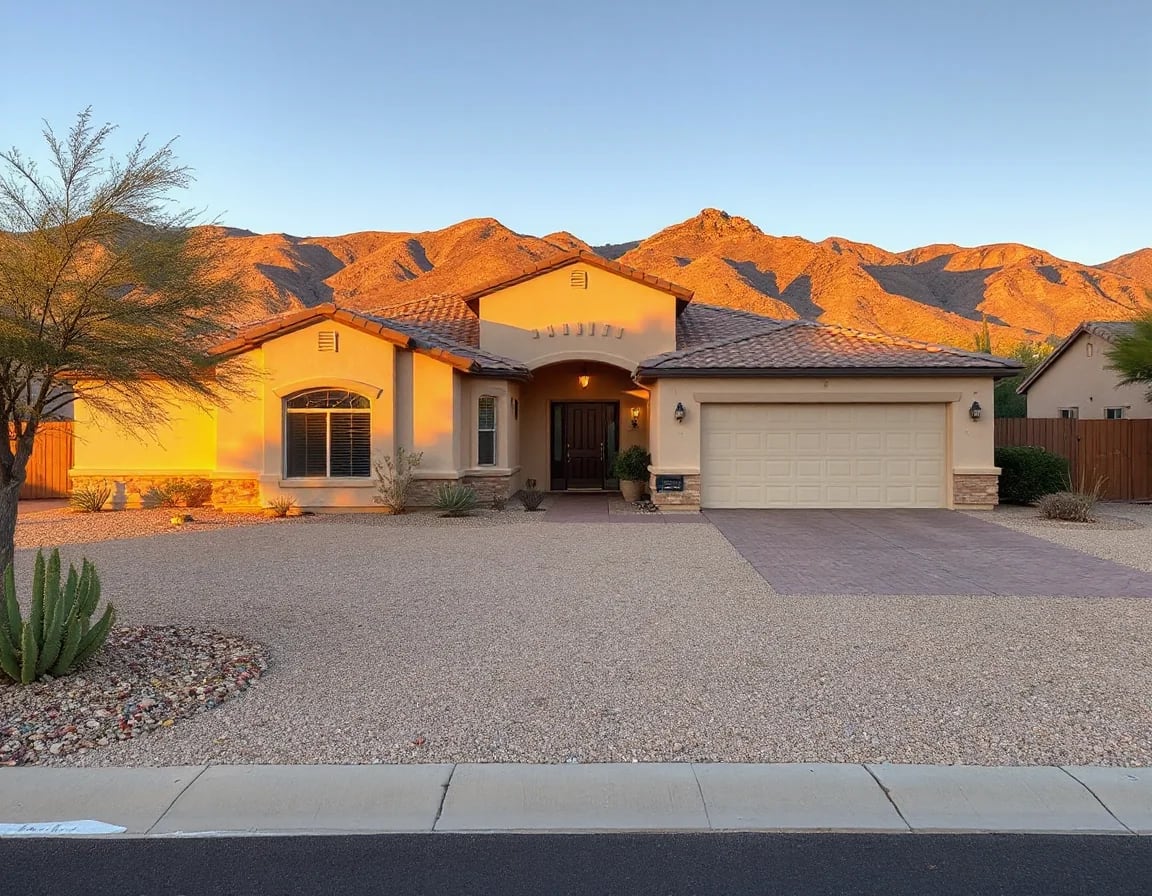
Knowing Phoenix price bands before you start touring can save time, sharpen expectations, and help you compare homes more effectively. In a market as broad as Greater Phoenix, each price range tends to come with a different mix of lot size, age, finish level, HOA structure, and commute tradeoffs. A simple price-band framework gives buyers a practical way to build a tour plan that matches both budget and priorities.
Why price bands matter before the first showing
It is easy to start a home search by clicking through photos and saving favorites, but buyers usually make better decisions when they understand what their budget actually buys in a specific market. Phoenix has a wide range of housing stock, from condos and townhomes to newer single-story homes, golf course properties, and custom residences on larger lots. That variety is exciting, but it also means two homes with similar list prices can feel completely different once you step inside.
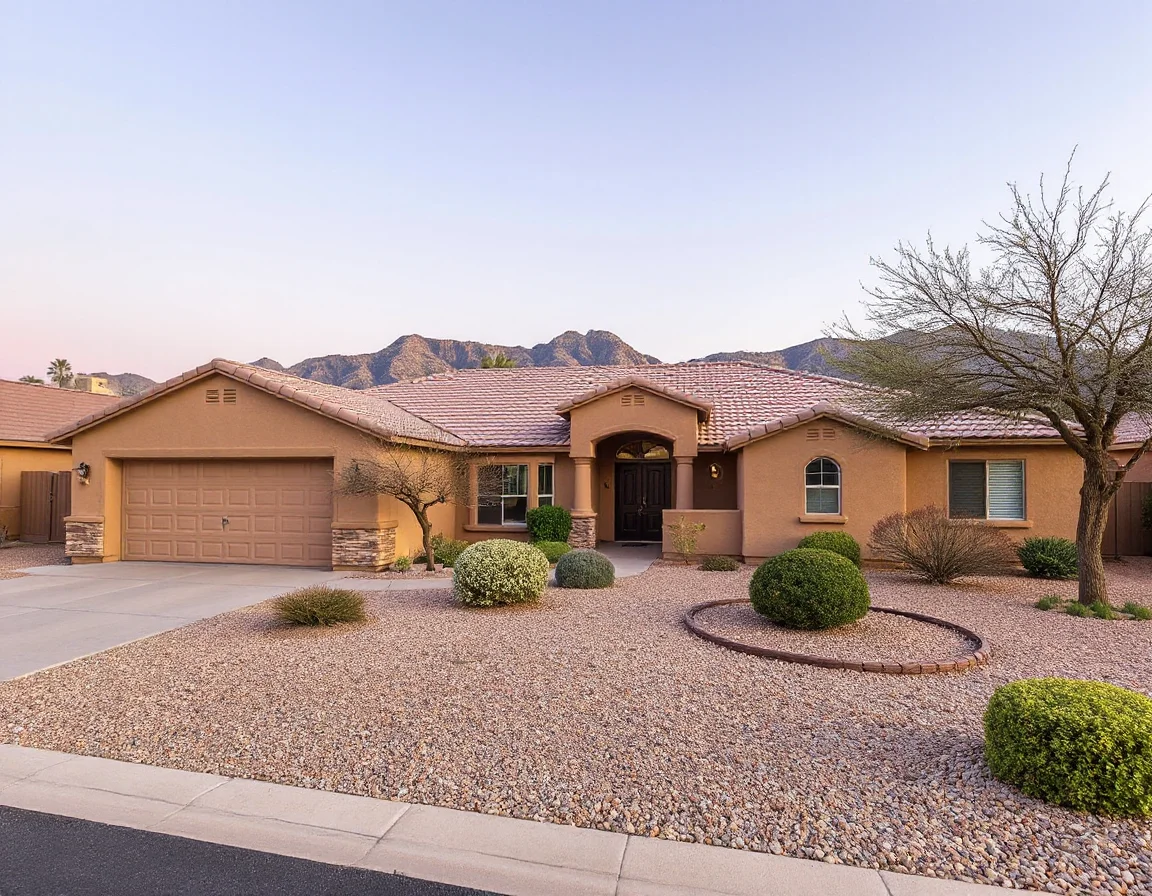
A price-band approach helps turn a broad search into a focused one. Instead of asking whether a listing looks attractive online, buyers can ask better questions: Is this band more likely to offer updated interiors or a larger yard? Does it open up a wider set of neighborhoods? Does it shift the balance between commute time and square footage? Those questions matter before you invest a full weekend driving between showings.
It also helps with emotional pacing. Touring homes far above or far below a realistic range can distort the process. By grouping listings into practical bands, buyers can compare like with like and spot value more quickly when a well-priced home hits the market.
A focused touring plan often reveals more than adding dozens of random favorites to an online search. Buyers who compare homes within the same price band usually notice condition, layout, and location tradeoffs faster.
Band 1: Entry-level options and compact footprints
At the lower end of many Phoenix searches, buyers often see condos, townhomes, smaller detached homes, and properties that may need cosmetic updates. In some areas, this range can offer a path into homeownership with lower maintenance demands, while in others it may mean older finishes, smaller lots, or busier road access. HOA fees become especially important here because the monthly payment picture can shift quickly.
This is the band where details matter most. Parking setup, roof age, air-conditioning condition, and community rules can have a major effect on monthly ownership costs. Buyers should also pay close attention to whether the listed square footage is being used efficiently. A compact home with a strong layout can feel more livable than a larger home with awkward room placement.
For buyers comparing this range across the Valley, the most useful strategy is to separate “move-in ready and smaller” from “larger but needs work.” That simple distinction often becomes the deciding factor.
Band 2: The first meaningful jump in choices
As buyers move into the next band up, the selection often broadens in noticeable ways. Detached homes become more common, renovation quality improves, and neighborhoods with a more consistent streetscape may open up. This is also where many buyers begin seeing the classic Phoenix tradeoff: choose a newer build farther out, or an older home with more central access.
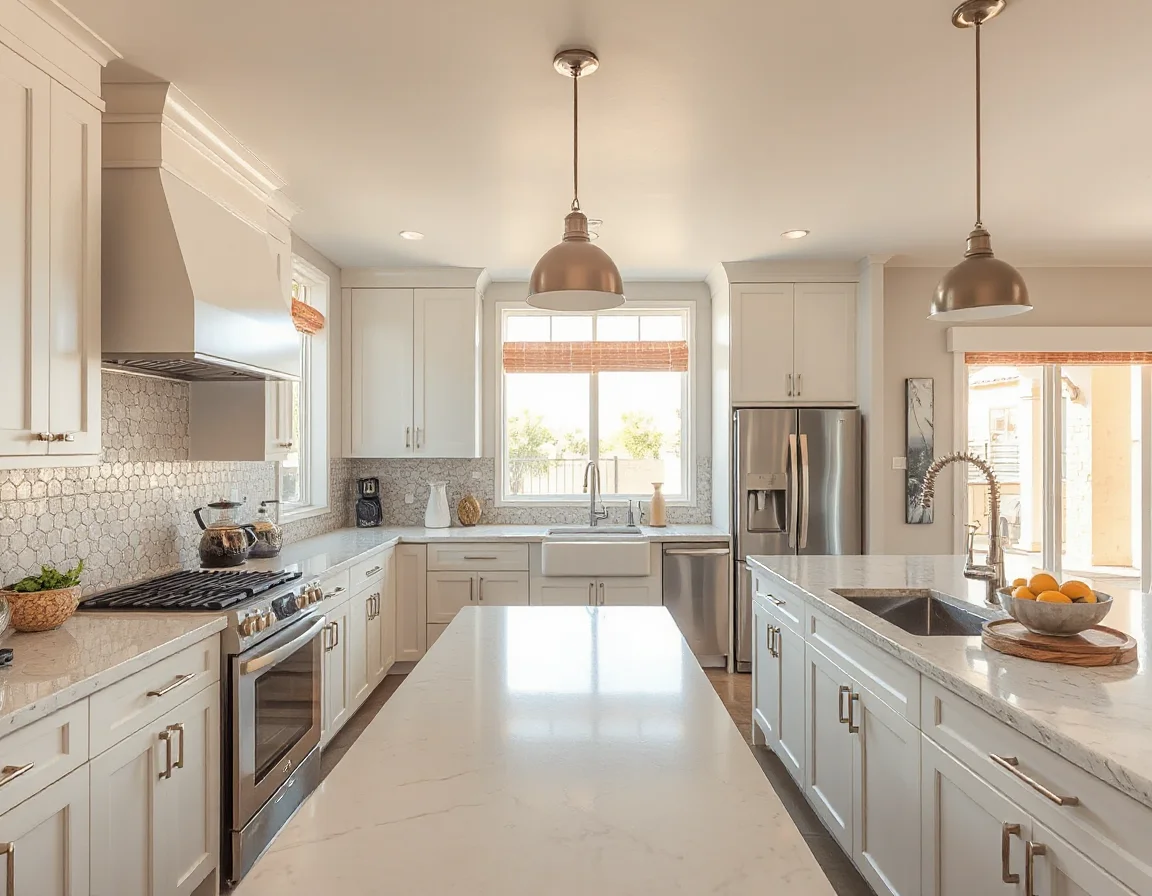
Many homes in this range present well online because sellers have invested in fresh paint, updated flooring, and staged interiors. That makes in-person touring even more important. A nicely photographed kitchen does not always reveal traffic noise, lot configuration, storage limitations, or deferred maintenance in older systems. Buyers should keep a checklist and score each home against the same categories rather than relying on first impressions alone.
Another advantage of this price band is flexibility. Depending on the submarket, it may include detached starter homes, low-maintenance patio properties, or townhomes with strong amenity packages. If your search stretches from Phoenix into nearby parts of the East or West Valley, this is often where comparing total monthly cost becomes more useful than comparing list price by itself.
When two homes are similarly priced, the better long-term fit often comes down to non-glamorous items like HVAC age, window quality, and HOA coverage rather than countertop material.
Because competition can still be active in popular segments, buyers touring in this band should review financing, closing cost expectations, and timing before they start making offers. Preparation gives you room to act without rushing.
Band 3: Move-up territory with more breathing room
In the middle tiers of the Phoenix market, many buyers begin to see a stronger balance of space, location choice, and finish level. This range can include larger single-family homes, newer communities with contemporary floor plans, and properties with upgrades that feel substantial rather than purely cosmetic. Think higher ceilings, improved outdoor living areas, better storage, and more consistent renovation quality.
This is also where lifestyle preferences become easier to prioritize. Some buyers lean toward a shorter drive and established surroundings; others prefer newer construction, energy-efficient features, and modern layouts. Neither choice is automatically better. The right fit depends on how you use the home every day and which tradeoffs matter least to you.
Touring strategy should evolve here as well. Instead of trying to see everything, narrow the search to homes that clearly align with your top two or three priorities. That could mean a three-car garage, a single-level layout, a pool-sized lot, or proximity to major freeways. Without that filter, the choices can become overwhelming.
Band 4: Upper-midmarket homes with standout features
Once buyers reach the upper-middle segment, standout features become more common. You may see premium lots, stronger mountain views, upgraded outdoor spaces, designer kitchens, and communities with a more polished feel. In many cases, this band is where buyers start asking less about whether a home works and more about whether it feels like the right long-term hold.
With higher price points, expectations rise. Buyers may look for more architectural character, a stronger indoor-outdoor connection, or better separation between living and sleeping spaces. This is where lot orientation, backyard usability, and resale appeal should be part of the conversation from the start. A home can be beautifully finished and still underperform if the floor plan or location creates avoidable compromises.
It is also a good point to compare current inventory with recent closed sales, not just active listings. In a fast-moving market, the asking price may reflect seller ambition as much as market evidence. Context keeps you grounded when touring homes that photograph exceptionally well.
Bands 5 through 7: Luxury, custom homes, and niche inventory
At the top end of the Phoenix market, inventory often becomes more specialized. Buyers may encounter custom homes, gated communities, architect-designed residences, larger parcels, premium golf course settings, or dramatic desert views. These homes are less interchangeable, which means simple price-per-square-foot comparisons become less reliable.
In these bands, property value is often tied to features that are difficult to duplicate: lot elevation, orientation, privacy, construction quality, rare floor plans, guest casitas, expansive outdoor entertaining areas, or a highly refined remodel. The touring process should slow down here. It is worth spending extra time reviewing the quality of materials, mechanical systems, and how the home sits on the site.
Buyers in luxury tiers also benefit from looking beyond finish level. Insurance considerations, maintenance requirements, pool and landscape upkeep, and long-term operating costs all deserve attention. A striking home should still make sense as an ownership decision, not just as a showing-day favorite.
Talk with Mike about your budget and search plan
How to use these bands in a real touring plan
The smartest way to use price bands is to tour in clusters. Pick one core band, then sample one band below and one above it. That creates perspective quickly. The lower band shows what compromises buy savings, while the higher band reveals what added budget might unlock. After three or four well-chosen tours, most buyers become far more confident about where they want to compete.
Phoenix is large enough that geography should remain part of the equation from the beginning. Price band, commute pattern, home age, and monthly carrying cost all interact. A clear strategy turns those moving parts into something manageable. Rather than chasing every new listing, you can focus on homes that truly fit your goals and recognize the right opportunity when it appears.
For buyers preparing to enter the market, these seven bands are not rigid boxes. They are a tool for seeing the market more clearly. And in a region with as much variety as Phoenix, clarity is one of the biggest advantages you can bring to your home search.